

About
Our Investors -
Invest in a Groundbreaking Solution for a Global Problem. The Investment Opportunity Global Waste 2 Energy offers a rare opportunity to invest in a patented, proven technology that addresses two of the world's most pressing issues: waste pollution and energy demand. We are positioned to capture significant value in the rapidly growing waste-to-energy market, projected to exceed targets.
About
A Proven & Protected Technology
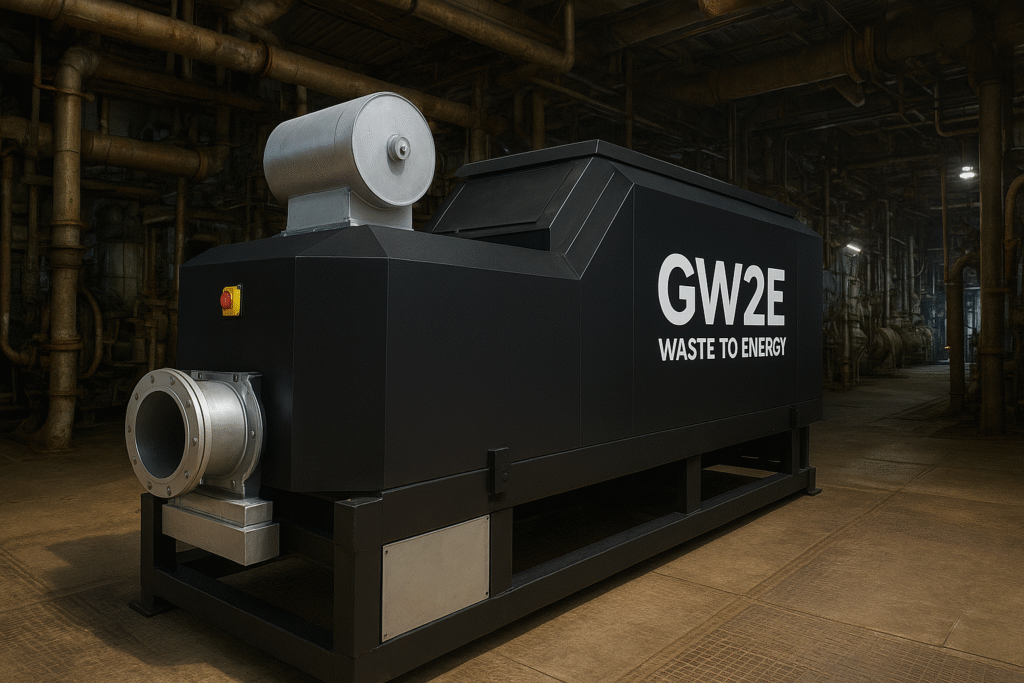
Our core asset is the Harris Multi-Jet Burner (HMJB), a unique and patented technology with granted patents in over 30 countries including the US, China, and EU. This IP moat protects our competitive advantage for the long term. The technology has been validated by independent experts and years of pilot testing.
About
Massive Addressable Market
The global waste management market is valued at over [Insert Figure] billion, with the WTE segment experiencing explosive growth. Our technology's ability to process the widest range of waste streams—from plastics to medical waste—opens up multiple multi-billion dollar markets simultaneously.
About
A Disruptive Solution with Competitive Advantages
The HMJB is not an incremental improvement; it's a fundamental redesign of combustion technology. Key advantages confirmed by expert analysis include:
- Ability to process high-moisture, heterogeneous waste without extensive pre-processing
- Superior combustion efficiency leading to lower emissions
- Modular, containerized design for rapid deployment
- Fuel autonomy after startup
- Lower capital and operational costs compared to traditional incinerators
About
Expert Validated & Commercially Ready
Expert Validated & Commercially Ready Our technology has been endorsed by leading industry experts:
- Dr. Abhishek Asthana: "A groundbreaking advancement... no equivalent technology with comparable attributes is currently commercially available."
- International Project Developers: Confirmed the system produces "very good" combustion quality meeting IED standards.
- REC Environmental: Initial testing showed emissions "comfortably within low ranges."